When you visit a city for the first time, it is very easy to focus on the obvious tourist attractions. You visit the palace, walk through the main square, spend some time in the park, and check off the biggest sights from your list. There are some places in cities like Madrid that you simply shouldn’t miss, yet also some neighborhoods in Madrid you shouldn’t miss.

If you really want to get a feeling for the city, I think you should leave the main tourist streets behind and explore Madrid’s neighborhoods. Walk down the smaller streets, sit on a terrace in a little plaza, go into a local shop, and most importantly, allow yourself to get a little bit lost. That’s when you start noticing another side of Madrid.
Madrid has a lot of neighborhoods, and they all have their own personality. Some feel historic and traditional, others are creative and alternative, while others are more residential or elegant. You can walk for 20 minutes and suddenly feel like you’ve entered a completely different part of the city. So, if you’re wondering which neighborhoods in Madrid are worth exploring, these are some of my favorites.
Visit these neighborhoods in Madrid
La Latina
If you want to experience a more traditional and local-feeling side of central Madrid, La Latina is a great place to start. It is one of the oldest parts of the city, and you can still see its medieval origins in the narrow, irregular streets. The area developed outside the medieval city walls and became home to merchants and people arriving in Madrid to sell their goods. Some of the street and square names, like Plaza de la Cebada and Plaza de los Carros, still reflect this history.


Today, La Latina is one of those neighborhoods where you don’t really need a plan. Walk around and you’ll find little plazas, traditional bars, restaurants, churches, and streets that are made for wandering.
One of the biggest attractions is El Rastro, Madrid’s famous open-air flea market. It takes place on Sundays and public holidays and has been part of the city’s culture for centuries. Spend hours looking through antiques, clothes, furniture, second-hand treasures, and all kinds of random things. With friends, we like to look through the items a bit, and then get a vermouth and enjoy the quieter streets around.


Another place worth visiting is Mercado de la Cebada, a traditional neighborhood market in Madrid. And if you need something sweet after walking around, you can head inside for an ice cream from Gelato Lab, one of my favorite places for ice cream in Madrid.
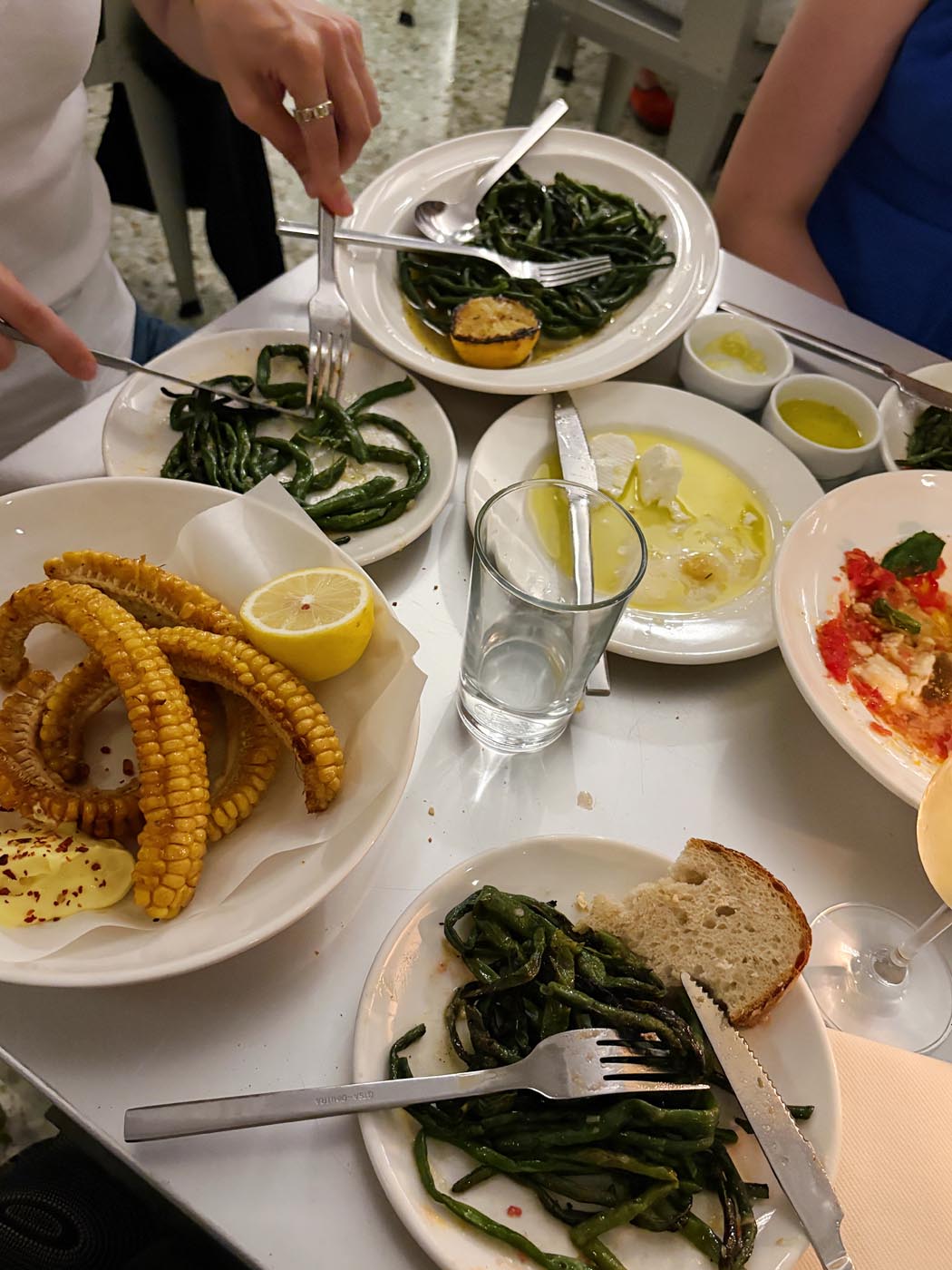
For food, I would also put Mandarosso on your list if you’re craving Italian food and Madrake for Greek food. For something more Spanish and traditional, stop at La Concha on Cava Baja for a vermut and some small plates or try places like La Cabra en el Tejado and La Patosa.

What to see and do in La Latina:
- Walk along Cava Baja and Cava Alta
- Visit El Rastro on Sunday
- Explore Plaza de la Paja
- Visit Mercado de la Cebada
- Walk through Plaza de los Carros
- Stop for tapas and a drink in one of the neighborhood’s little plazas
- Look out for the traditional churches and older buildings hidden between the narrow streets
La Latina is also a great neighborhood to visit without an agenda. Pick a street and start walking. You’ll probably find something interesting.
Chueca
Chueca is widely known as Madrid’s LGBTQ+ neighborhood, and you will notice its character as soon as you start walking around. Rainbow flags, independent stores, bars, restaurants, terraces, and colorful streets are all part of the area. But Chueca is about much more than nightlife. It is one of the city’s liveliest areas during the day as well, with plenty of cafés, restaurants, galleries, and places to sit outside.

The neighborhood also has some interesting history and culture. If you want to visit a museum, go to Museo del Romanticismo, housed in an 18th-century palace. Inside, you’ll find paintings, furniture, decorative arts, and other objects that give you an idea of what life was like in Madrid during the Romantic period.

And then there is Plaza de Chueca, the heart of the neighborhood. Grab a drink, sit outside and watch people pass by. If you’re visiting during Madrid Pride, this area attracts millions of visitors from all over the world.
For food, Chueca is also a good place to look beyond traditional Spanish cuisine. For example, Biang Biang Bar has a location here and serves hand-pulled Chinese noodles, while the neighborhood has plenty of restaurants offering food from all over the world. Or go to Taberna de Angel Sierra for a glass of vermouth.
What to see and do in Chueca:
- Walk around Plaza de Chueca
- Visit the Museo del Romanticismo
- Explore Calle Fuencarral and the surrounding shopping streets
- Explore the neighborhood’s LGBTQ+ history and culture
- Stay into the evening for the bars and nightlife
Chueca is colorful, welcoming, and lively. If you like neighborhoods where there is always something happening, you will probably enjoy it here.
Malasaña
Malasaña has a younger, creative and slightly rebellious feel. During the day, you’ll find cafés, independent shops, vintage stores, street art and people wandering around. At night, the neighborhood comes alive even more, with plenty of places to have a drink or stay out late for a night out dancing.


The neighborhood is named after Manuela Malasaña, who became a symbol of the Madrid uprising against French troops on May 2, 1808. Today, Malasaña is known for its young and alternative character. It became associated with Madrid’s counterculture and nightlife during the Movida Madrileña, the cultural movement that took place in the city after the end of Franco’s dictatorship.
One of the best things to do here is simply walk. Look around Plaza del Dos de Mayo, wander along Calle Espíritu Santo and Calle Corredera Alta de San Pablo, and explore the smaller side streets.


If you like vintage shopping, this is one of the neighborhoods I would put high on your list. Magpie is one of my favorite stores there, and in that same street you’ll find 10+ more vintage stores. You can also find records, books, design stores and plenty of small businesses that give the neighborhood its energy.
For food, Casa Macareno is a good option if you want traditional Spanish food in a beautiful setting. For breakfast in Madrid or brunch, I like GOSTO, where you can slow down with good coffee and something to eat. There are many options. Walk around, and you will find out!

What to see and do in Malasaña:
- Visit Plaza del Dos de Mayo
- Go vintage shopping
- Explore the street art
- Stay into the evening for the bars and nightlife
Malasaña is colorful, lively and a little chaotic. In a good way.
Chamberí
Chamberí feels a little more residential than the neighborhoods closer to Sol and Gran Vía, but that doesn’t mean there isn’t plenty to do. In fact, this is one of my favorite areas to recommend if you want to experience Madrid beyond the main tourist center.
The neighborhood has an elegant side, with beautiful buildings and architecture, but it also has a very traditional Madrid feel. You can still find old-fashioned tabernas, local shops and neighborhood bars alongside newer restaurants and trendy places like some cute wine bars in Madrid.


Start around Plaza de Olavide, one of the nicest squares in the area. Grab a table outside, order a drink and enjoy the very Madrid experience of sitting on a terrace for much longer than you originally planned.
Another place to visit is Mercado de Vallehermoso, where you can get a taste of the modern Madrid market scene. Instead of being only a traditional food market, it combines market stalls with restaurants and small food businesses. Also here you will find Biang Biang Noodles, the best!

If you want something different, explore the area around Ríos Rosas and General Martínez Campos, sometimes referred to as Madrid’s “Little Italy” because of the number of Italian restaurants. And if you’re looking for something more casual, Chamberí has plenty of cafés and neighborhood bakeries to discover.
What to see and do in Chamberí:
- Have a drink at Plaza de Olavide
- Visit Mercado de Vallehermoso
- Walk along Calle Ponzano
- Explore the residential streets around Ríos Rosas
- Visit Andén 0, the old Chamberí metro station, for a glimpse into Madrid’s historic metro system
Chamberí is a good choice if you want a neighborhood that feels local without being far away from the center.
Arganzuela
If you’re looking for a different side of Madrid, head south towards Arganzuela and the Manzanares River. This area feels more open and relaxed than the historic center. The big attraction here is Madrid Río, the huge riverside park that runs along the Manzanares. Finding the rivier might be the challenge here 😉 It’s a great place to walk, run, cycle, sit in the sun or simply take a break from the busy streets of central Madrid.


Another major attraction is Matadero Madrid, a former slaughterhouse complex that has been transformed into a cultural center. The historic industrial buildings now host exhibitions, cultural events, performances, markets and more.

You can also visit the Museo del Ferrocarril, Madrid’s railway museum, which is located in the old Delicias railway station. Even if you’re not particularly interested in trains, the historic station building itself is worth seeing. And every once in a while they organize a market here, called Mercado de Motores.
What to see and do in Arganzuela:
- Walk or cycle along Madrid Río
- Visit Matadero Madrid
- Explore the old Delicias railway station
- Walk towards Puente de Toledo
- Have a picnic or sit by the river
- Relax 😉
Arganzuela is especially nice if you need a break from sightseeing and want a few hours of walking, greenery and culture.
Salesas
Technically, Salesas isn’t a neighborhood in the same way as Chamberí or Malasaña, but it has such a distinct personality that I think it deserves a place on this list. It’s the area between Recoletos and Chueca, known for independent fashion, design, galleries, restaurants and historic buildings.
If you like shopping but prefer smaller independent boutiques to large international chains, you’ll probably enjoy walking around Salesas. The area has a slightly more upscale feel, but it is still relaxed enough to spend an afternoon wandering around.
Make sure to visit Plaza de las Salesas and the beautiful Iglesia de Santa Bárbara, which is connected to the former Salesas Reales convent. Salesas also has a connection to Madrid’s literary and cultural history. The famous Café Gijón, which opened in 1888, became an important meeting place for writers and intellectuals.

For food, Hermanas Arce is one of my favorite options for breakfast or lunch, especially if you like seasonal ingredients and a cozy atmosphere. Also try Myka for a fresh frozen yoghurt, or get a matcha at Jade Matcha Gallery.


What to see and do in Salesas:
- Visit Plaza de las Salesas
- See the Iglesia de Santa Bárbara
- Explore design and homeware stores
- Walk towards Paseo de Recoletos
- Stop for coffee, lunch or a drink
Salesas is a great neighborhood for a slower afternoon of shopping, eating and wandering.
Lavapiés
Lavapiés is one of the most multicultural neighborhoods in Madrid, and it is also one of the areas where you can really see how different sides of the city come together. Like La Latina, Lavapiés has medieval origins. Its narrow, steep and irregular streets developed outside the old city walls after Madrid became the capital in 1561. Historically, it was a working-class neighborhood, and you can still see traces of that history in its traditional corralas: buildings built around a shared central courtyard.

Today, Lavapiés is known for its incredible mix of cultures. Walk through the neighborhood and you’ll find Indian, Pakistani, Moroccan, Chinese, African, Latin American, Middle Eastern and Spanish restaurants all within a small area.
For food, this is definitely one of the neighborhoods where I recommend arriving hungry. Mercado de San Fernando is a great place to start, while Mercado de Antón Martín offers another mix of traditional market stalls and international food. If you end up being in Madrid on a rainy day, then these mercados are also the best place to spend some hours hiding from the rain.


Lavapiés also has a strong cultural and artistic side. La Casa Encendida hosts exhibitions, performances and cultural events, while the Museo Reina Sofía is just around the corner. Some of my favorite museums to visit in Madrid. The area around Calle Doctor Fourquet is also known for its contemporary art galleries. And then there is the nightlife. Lavapiés has everything from small bars and live music to flamenco, alternative theatre and clubs.


What to see and do in Lavapiés:
- Visit Mercado de San Fernando
- Explore Mercado de Antón Martín
- Walk along Calle Argumosa
- Visit La Casa Encendida and Museo Reina Sofía
- Explore the galleries around Calle Doctor Fourquet
Lavapiés is not polished in the same way as some other parts of Madrid, and that’s part of its charm. It feels lived-in, creative and constantly changing.
Usera
If you want to see a different side of Madrid, head south to Usera. This is another one of Madrid’s most multicultural neighborhoods and is particularly well known for its large Chinese community. In fact, Usera is sometimes referred to as Madrid’s Chinatown.
The neighborhood has a very different atmosphere from central Madrid. You won’t find many of the city’s major tourist sights here, but that’s exactly the point. Come to Usera to eat, wander around the local streets, browse the Asian supermarkets and experience a part of Madrid that many first-time visitors never see.
Chinese immigration to Usera grew significantly from the 1980s onwards, and the neighborhood has since become an important center for Madrid’s Chinese community. Today, you’ll find Chinese restaurants, bakeries, supermarkets, bubble tea shops, Asian beauty stores and businesses selling products from all over East and Southeast Asia.
Food is probably the biggest reason to come. Walk around Calle Marcelo Usera and the surrounding streets and you’ll find everything from Chinese hot pot and dumplings to noodles, Korean food and other Asian cuisines.
If you happen to visit around Chinese New Year, Usera becomes even more lively. The neighborhood hosts celebrations, performances, decorations and food events, making it one of the best places in Madrid to experience the city’s Chinese culture.
What to see and do in Usera:
- Walk along Calle Marcelo Usera
- Explore the Chinese shops and Asian supermarkets
- Try Chinese, Korean or other Asian cuisines
- Visit during Chinese New Year for the celebrations
- Explore the quieter residential streets beyond the main shopping areas
Usera isn’t necessarily a neighborhood I’d recommend if you’re looking for Madrid’s most beautiful architecture or biggest tourist attractions. Instead, come here for the food, culture and everyday atmosphere. It’s a reminder that Madrid is much more than its historic center, and that some of the city’s most interesting experiences can be found a metro ride away from the places everyone else is visiting.
Argüelles
Argüelles is another neighborhood that is easy to combine with sightseeing. It sits close to Parque del Oeste, Plaza de España and the university area, so you can easily include it in a day exploring the western side of central Madrid.
The big attraction is Templo de Debod. This ancient Egyptian temple was donated to Spain by Egypt in the 1960s and rebuilt in Madrid stone by stone. It is surrounded by a park and sits on higher ground, making it one of the city’s most popular places to watch the sunset. And yes, it can get busy around sunset. But if you find a good spot, the view across the city is worth it. One of my favorite things to do in Madrid, especially when people are visiting for the first time.

Afterwards, wander through the neighborhood and you’ll find plenty of cafés, bars and shops. Argüelles also has a strong student atmosphere because of its proximity to several universities, which gives the area a younger and more casual feel.
What to see and do in Argüelles:
- Visit Templo de Debod
- Watch the sunset from the park
- Walk through Parque del Oeste
It’s an easy area to combine with a visit to the Royal Palace, Plaza de España or Parque del Oeste.
Barrio de las Letras
This is one neighborhood I definitely think deserves to be on your Madrid list. Barrio de las Letras, also known as the Literary Quarter, is the place to go if you like history, literature, beautiful streets and a good combination of culture and restaurants.


This is where some of Spain’s most famous writers lived during Madrid’s Golden Age, including Miguel de Cervantes, Lope de Vega and Quevedo. When you walk the streets, make sure to look to the ground. In golden letters, you’ll find little quotes from writers and the the buildings you can find signs that tell you more about who once lived here.
One of the most famous streets is Calle de las Huertas. Also visit the Casa Museo de Lope de Vega, the former home of the famous playwright, if that’s the kind of history you are into, and take your time exploring the small streets around Plaza de Santa Ana. Plaza de Santa Ana isn’t my favorite to sit down, but around you’ll find many options like Alimentación Quiroga or Casa González.
What to see and do in Barrio de las Letras:
- Walk along Calle de las Huertas
- Visit Casa Museo de Lope de Vega
- Explore the streets around Plaza de Santa Ana
- Look for literary quotes in the streets
- Wander towards Paseo del Prado
This is one of those neighborhoods where simply looking down at the pavement can teach you something about Madrid.
Salamanca
If you want to see Madrid’s more elegant and upscale side, head to Salamanca. This neighborhood is very different from La Latina or Lavapiés. The streets are wider, the buildings are bigger, and the shopping is much more focused on designer fashion, luxury brands and beautiful boutiques.
The heart of the area is around Calle Serrano, but you don’t have to be shopping for expensive clothes to enjoy the neighborhood. The architecture is beautiful, there are plenty of cafés and restaurants, and it’s a pleasant area for a walk. Also here, make a stop at a mercado: Mercado de La Paz.


Make your way towards Plaza de Colón and visit Fernán Gómez Centro Cultural de la Villa and the surrounding streets, or explore the quieter residential streets around Lista and Goya. Salamanca is also a good neighborhood for food, with everything from traditional Spanish restaurants to modern international dining.

What to see and do in Salamanca:
- Walk along Calle Serrano
- Visit Plaza de Colón and Fernán Gómez Centro Cultural de la Villa
- Walk towards Retiro Park
If you want to combine shopping with architecture and a more polished side of Madrid, this is the neighborhood to visit.
Are these all the neighborhoods in Madrid?
Definitely not. Madrid has many more neighborhoods worth exploring, and part of the fun is discovering them yourself. Conde Duque, for example, is a great addition if you like independent shops, culture and a slightly quieter atmosphere. Retiro is another obvious one if you want beautiful streets and easy access to the park.
You could also spend time exploring Madrid de los Austrias, the historic center around the Royal Palace and Plaza Mayor, or head further away from the center to neighborhoods such as Carabanchel, which has developed a strong creative and artistic scene.

The nice thing about Madrid is that you don’t have to choose just one of the neighborhoods. You can spend the morning eating churros in La Latina, wander through the vintage shops of Malasaña, have lunch in Lavapiés, watch the sunset from Templo de Debod and finish the day with drinks in Chueca.
So yes, visit the Royal Palace. See Plaza Mayor. Walk through Retiro. Do the touristy stuff if it’s your first time in Madrid, or if that’s simply something you enjoy doing. Everyone has their own way of traveling and exploring. But try to also leave the main tourist route behind for a while. Turn down a random street. Sit on a terrace. Walk through a little plaza. Get slightly lost. Because sometimes the best parts of a city are the ones you weren’t looking for.


Leave a Reply