Oaxaca de Juárez is one of Mexico’s most culturally rich cities, and its museums definitely reflect that. From ancient Zapotec history to contemporary art and traditional crafts. This is where you’ll get a deeper understanding of the region’s identity. Here are some of the best museums to visit in Oaxaca City.
The best museums in Oaxaca City, Mexico
Museo de las Culturas de Oaxaca
A deep dive into the history of Oaxaca and Mexico, located inside the former monastery of Santo Domingo. This is one of the most important museums in the region and houses an impressive collection of items from nearby archaeological sites like Monte Albán. You’ll find everything from ancient jewelry to ceramics that tell the story of the Zapotec and Mixtec civilizations.


It’s a large museum, so you can easily spend a few hours here. Not everything is translated into English, so having some Spanish definitely helps to understand what you’re looking at. Entry is paid, but it’s more than worth it.
Location: Macedonio Alcalá s/n, Centro Histórico, Oaxaca de Juárez
Price: $210 MXN for foreign visitors / $105 MXN for Mexican nationals and residents


Museo Textil de Oaxaca
This museum is dedicated to one of Oaxaca’s most important traditions: textiles. Weaving techniques, natural dyes, and regional patterns play a huge role in indigenous culture across the state. The museum is housed in a beautiful building and features rotating exhibitions that highlight both traditional and contemporary textile art. The museum shop is also worth a visit! Filled with handmade pieces. Entry is free, so check it out!
Location: Hidalgo 917, Centro Histórico, Oaxaca de Juárez
Price: Free


Museo de Arte Contemporáneo de Oaxaca (MACO)
A small but lovely museum located in a restored colonial mansion. MACO focuses on contemporary Mexican and Oaxacan artists, showing experimental and modern works. It changes exhibitions regularly, so there’s usually something new to see. It’s a calm stop and a nice contrast to Oaxaca’s more historical museums.
Location: Macedonio Alcalá 202, Centro Histórico, Oaxaca de Juárez
Price: $20 MXN
Museo de los Pintores Oaxaqueños (MUPO)
This museum highlights the work of Oaxacan painters. Many of them draw inspiration from the region’s landscapes, traditions, and indigenous heritage. The collection is colorful, expressive, and connected to local identity. One of the highlights is the peaceful courtyard, where you can sit and enjoy a coffee. Entry is free, or you can leave a donation and sometimes receive a coffee in return. It was the first museum I visited in Oaxaca, and I had a great time seeing the local work.
Location: Avenida Independencia 607, Centro Histórico, Oaxaca de Juárez
Price: Free – But online I read $20 MXN (well I paid $20 MXN and got a coffee, or could to for free)


Museo de la Filatelia de Oaxaca (MUFI)
A museum dedicated to stamps and postal history. It might sound niche, but it actually tells a broader story about communication, politics, and how countries have historically connected. I visited with my Spanish teacher, so it was a great way to have an immersive language class. The exhibitions are creative and well presented. Free entry and a fun visit!
Location: Reforma 504, esquina Constitución, Centro, Oaxaca de Juárez
Price: Free


Instituto de Artes Gráficas de Oaxaca (IAGO)
Founded by the artist Francisco Toledo, IAGO is both a library and a cultural space dedicated to graphic arts. It has a big collection of books, prints, and visual art, making it a place that attracts students, artists, and researchers. One of the best parts is the peaceful courtyard, where you can sit and read or just enjoy the atmosphere.
Location: Macedonio Alcalá 507, Centro Histórico, Oaxaca de Juárez
Price: Free


Centro Fotográfico Manuel Álvarez Bravo
A small but important photography center named after one of Mexico’s most influential photographers. The museum has rotating exhibitions of both Mexican and international photographers, usually focusing on documentary and artistic photography. It’s a quiet, reflective space with a cute patio and a relaxed energy. Entry is free, like in many of the museums in Oaxaca.
Location: Manuel Bravo 116, Centro, Oaxaca de Juárez
Price: Free


Centro Cultural San Pablo
A beautifully restored former convent that now serves as a cultural center. It hosts rotating exhibitions, workshops, and events. In my opinion, the architecture alone is already worth the visit. Inside you’ll find exhibitions, from contemporary art to historical and cultural pieces. The building also has a beautiful library that seems to be used mostly by locals for studying and research. Also here, free entry.
Location: Miguel Hidalgo 907, Centro, Oaxaca de Juárez
Price: Free


Museo de Sitio de Monte Albán
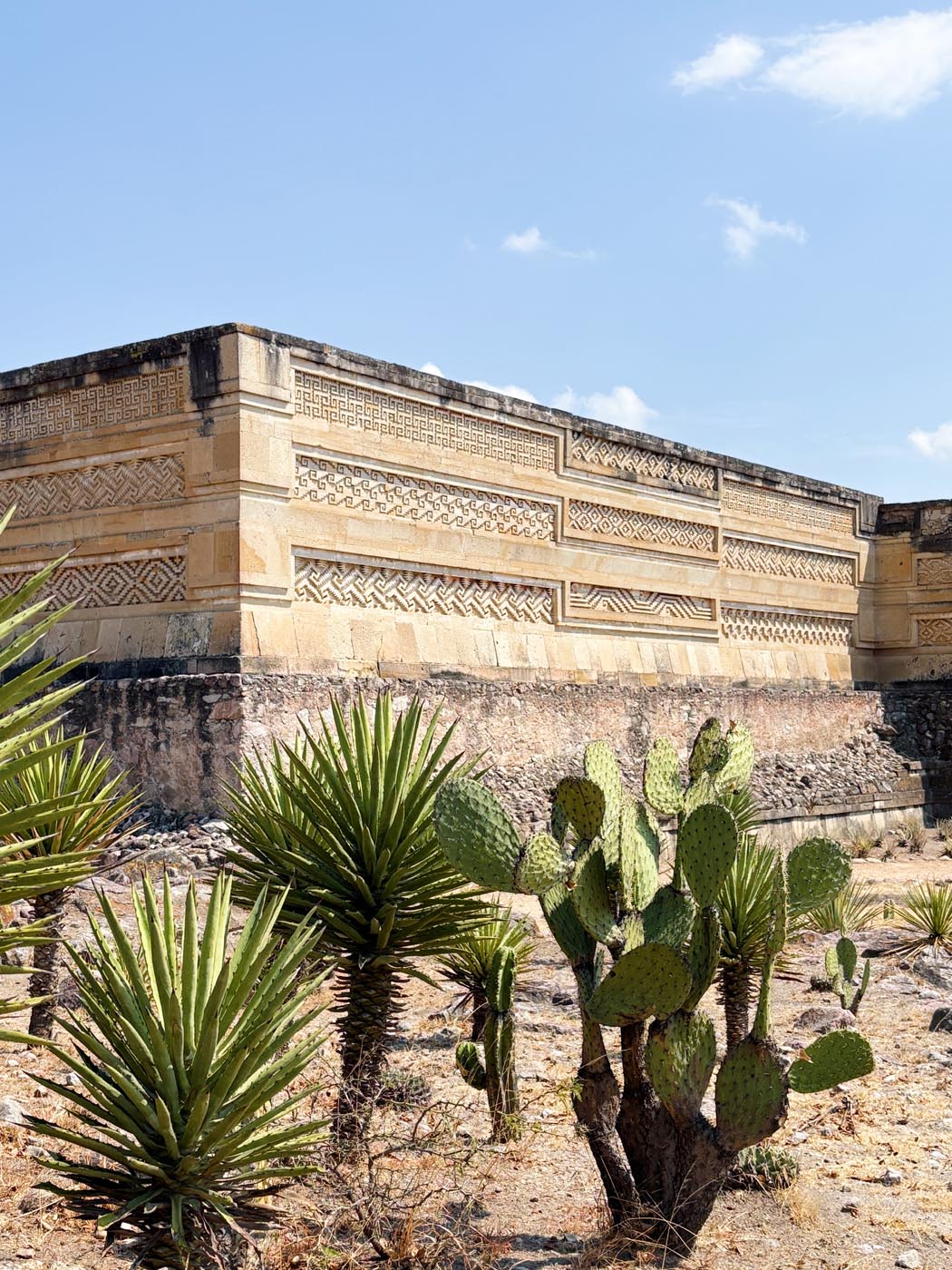
A little bit outside of Oaxaca City, you’ll find Monte Albán, one of the most important archaeological sites in Mexico and was once the capital of the Zapotec civilization. The site sits on a mountaintop, so incredible views of the surrounding valleys are included with your visit ;). Walking through the pyramids and ancient structures gives a sense of how this civilization was living back then. There is also a small museum that displays artifacts, tools, and explanations of daily life, rituals, and astronomy. A must-visit for anyone interested in history!
Location: Camino Dr. Ignacio Bernal (A Monte Albán) s/n, Santa Cruz Xoxocotlán, Oaxaca
Price: $210 MXN for foreign visitors / $105 MXN for Mexican nationals and residents


Centro de las Artes de San Agustín (CASA)
Not in Oaxaca City, but a beautiful museum nearby that’s worth the visit if you have time! CASA is located in a former textile factory that has been transformed into an environmental and contemporary art center. It combines art, sustainability, and community projects in an inspiring way. During my visit, there was a photography exhibition which I loved. And the views and environment are incredible too!
Location: Independencia s/n, Barrio de Vista Hermosa, San Agustín Etla, Oaxaca
Price: Free


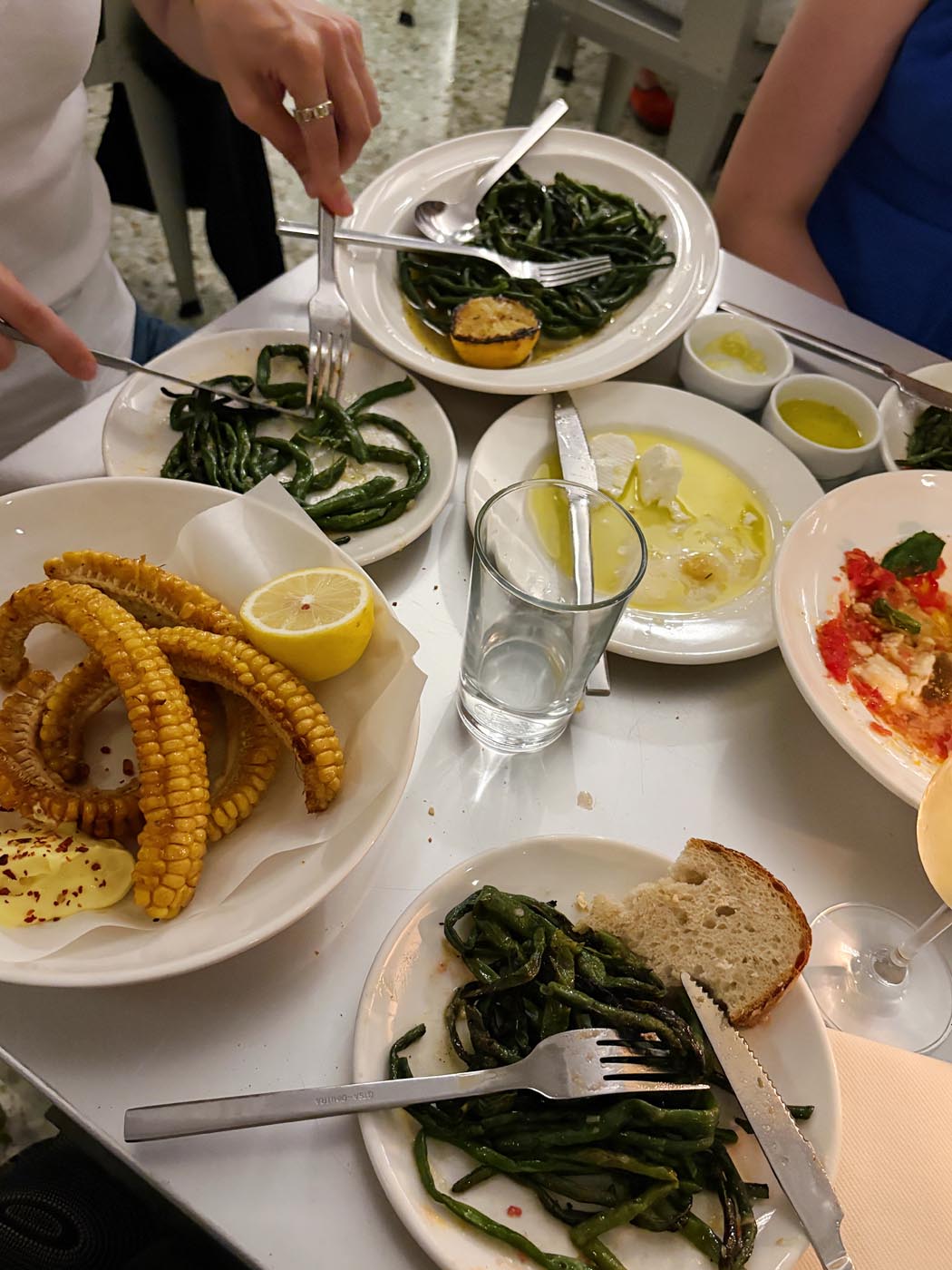
I really enjoyed spending multiple weeks in Oaxaca and having the time to visit as many museums as I could, because there are plenty. And many of them are free to visit! Learning about the history, traditions, crafts. Museums are a great way to do it! And afterwards, make sure to go to these restaurants in Oaxaca, for some (vegetarian) food! Because food, that’s another thing this region is known for 😉

Leave a Reply